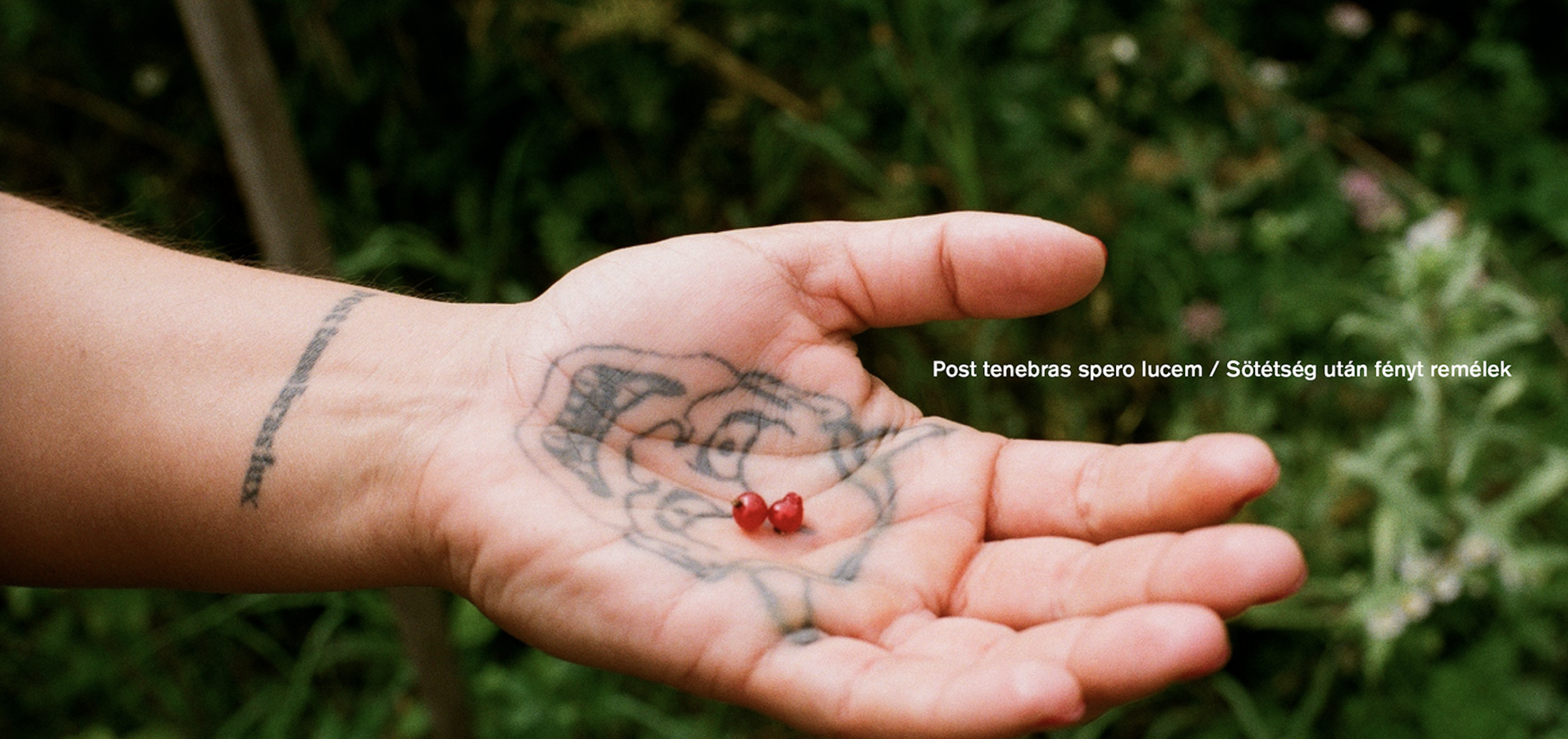
This project examines the rules and boundaries that women face in dictatorships and modern societies. By focusing on two countries with significant histories of dictatorship, the research explores the conditions, opportunities, and challenges women experienced under the Estado Novo dictatorship in Portugal, alongside the contemporary political climate and its impact on women in Hungary. Through a comparative approach, the project investigates how women’s lived experiences within these regimes are remembered and mediated in present-day society.
In Portugal, the research draws on family archives housed at the Videoteca Municipal de Lisboa, specifically focusing on the family albums of Maria Teresa Braz. These albums serve as a lens through which to view a pivotal period in Portugal’s history (1940-1975), marked by one of Europe’s longest-running dictatorships. The project explores how memory functions as a form of representation and performance of the past, considering archives as dynamic sites layered with meaning, each subject to various interpretations.
The methodology is practice-based, employing performance photography to re-enact memorial networks that connect past and present. This approach will produce a dense memorial ethnography that links archival materials to different temporalities and social actors. The project will generate new works, including self-portraits, interviews, portraits of women from diverse backgrounds, private footage, popular magazine prints, and excerpts from Novas Letras Portuguesas (1972).
The Hungarian component begins with an Instagram post: “I am looking for women of all ages and backgrounds who are willing to share their experiences about what it feels like to be a woman in today’s Hungary, a democracy or semi-dictatorship.” This segment will feature portraits and interviews with women who have shared their personal stories over recent years. These conversations delve into deeply personal topics such as fertility, aging, and even paying taxes, offering a unique perspective on the search for freedom in Hungary’s evolving political landscape.
Ultimately, this project aims to serve as a living oral and visual history of what it means to be a woman under dictatorship—any dictatorship, at any point in history.